Background
NAV supports the implementation of recommendations proposed in the White Paper, ‘Revitalising UWC Archives’ (2021).
This White Paper outlines how UWC can augment its research standing and reputation globally through ensuring the physical and digital preservation of existing archives, and the dynamic activation of its cultural and intellectual resources through dedicated programmes that energise teaching, promote research and create new publics. UWC is a joint custodian of several collections at the university which hold historical, activist and art materials of national and international significance.

Watch Webinar ‘Archival Futures & Research:
Preservation, Access & UWC’s Digital Infrastructure’ (20 August 2021).
This webinar presented the findings of the archival planning process published in the White Paper and was hosted by Prof. Jose Frantz, DVC for Research and Innovation. The Director of eResearch, Prof Mattia Vaccari moderated the session, and speakers included Prof Patricia Hayes (NRF SARChI Chair in Visual History and Theory, UWC), Dr Nancy McGovern (Director of Digital Preservation, the MIT Libraries, USA), Dr Valmont Layne (Centre for Humanities Research, UWC), and Dr Anthea Josias (University of Michigan).
NAV Staff

NAV fellows
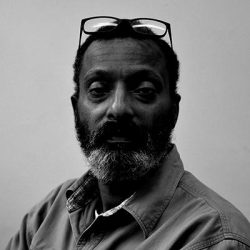
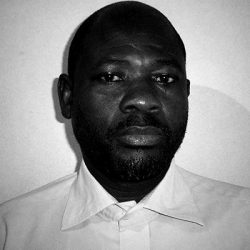
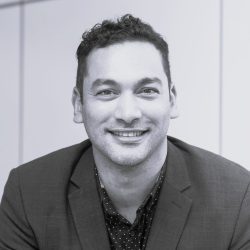
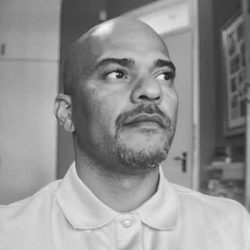
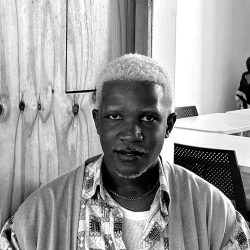
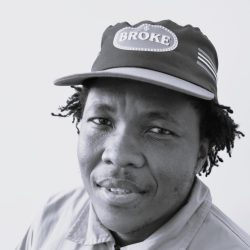
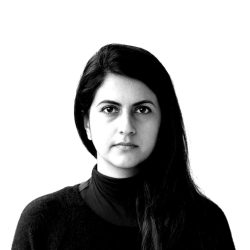
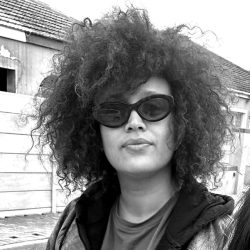

Past Fellows:
Tammy-Lee Lakay, Clio Koopman, Tiisetso Dladla, Gcotyelwa Mashiqa, Ingrid Masondo, Buhle Ngaba, Kasonde Thomas Mukonde, Sakhiseni Joseph Yende, Tara Weinberg, Ben Verghese
Related News
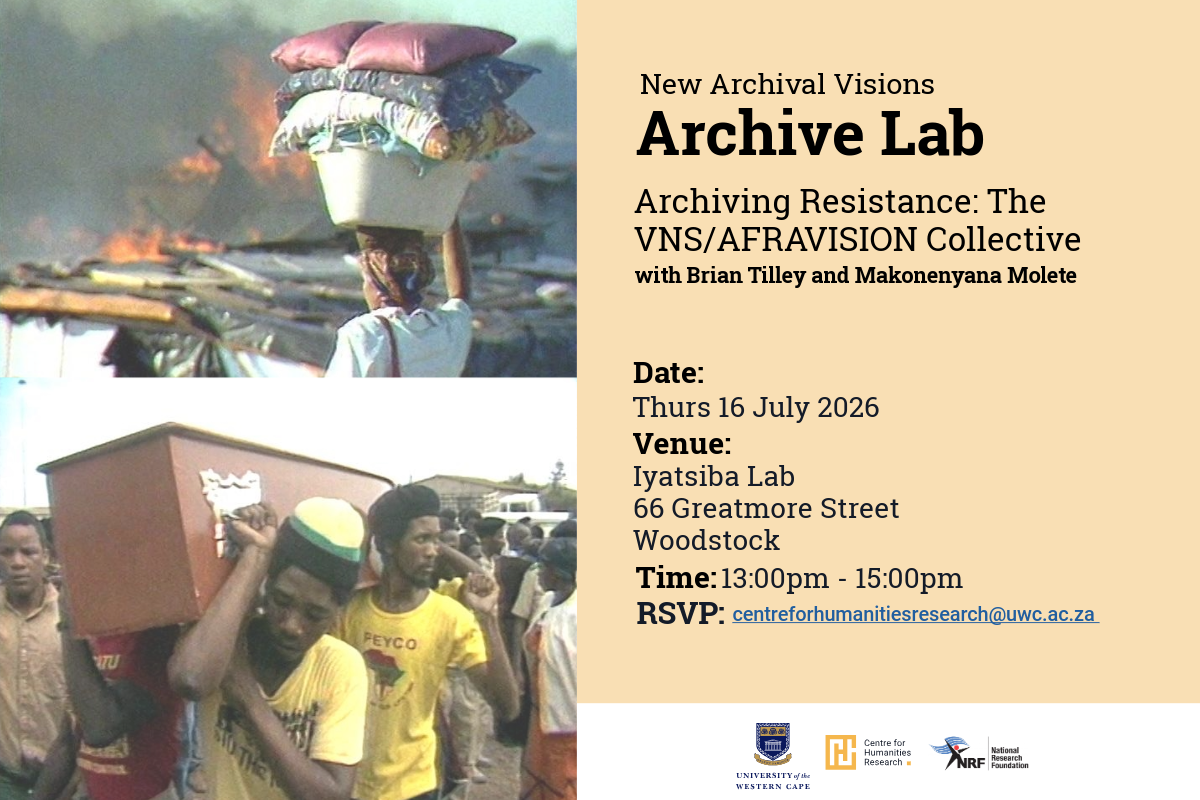
Archive Lab: ‘Archiving Resistance: The VNS/AFRAVISION Collective’, with Brian Tilley and Makonenyana Molete
The New Archival Visions (NAV) Programme will host Brian Tilley and Makonenyana Molete, founder members of the VNS/Afravision video collective to share how they set up VNS/Afravision in the 1980s to document the struggles sweeping across South Africa.
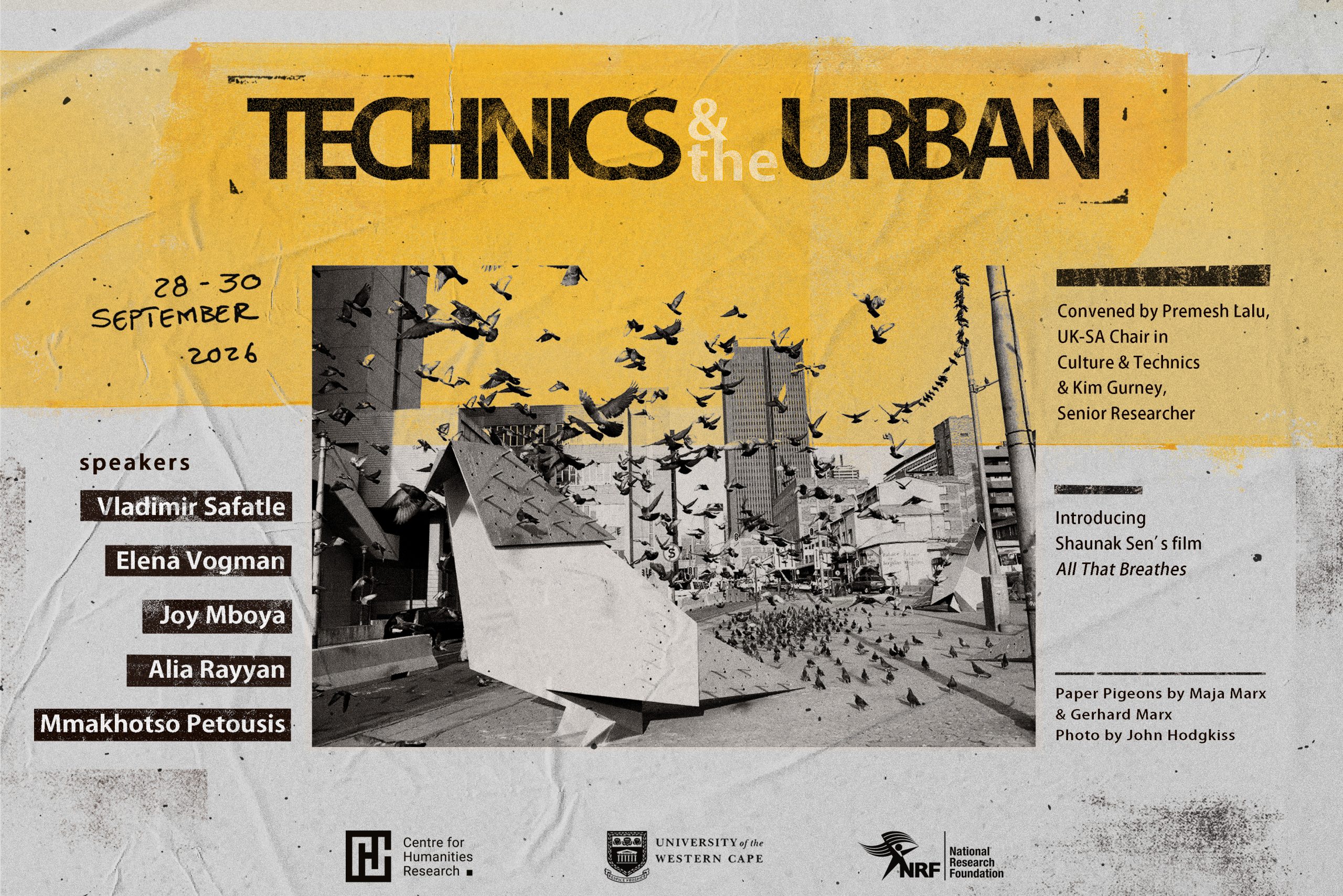
Technics and the Urban: UK-SA Chair in Culture and Technics annual workshop.
The UK-SA Chair in Culture & Technics, a bilateral programme between the British Academy and South Africa’s National Research Foundation, convenes an international study network that traces how the exercise of power relates to the co-evolution of the human and technology.
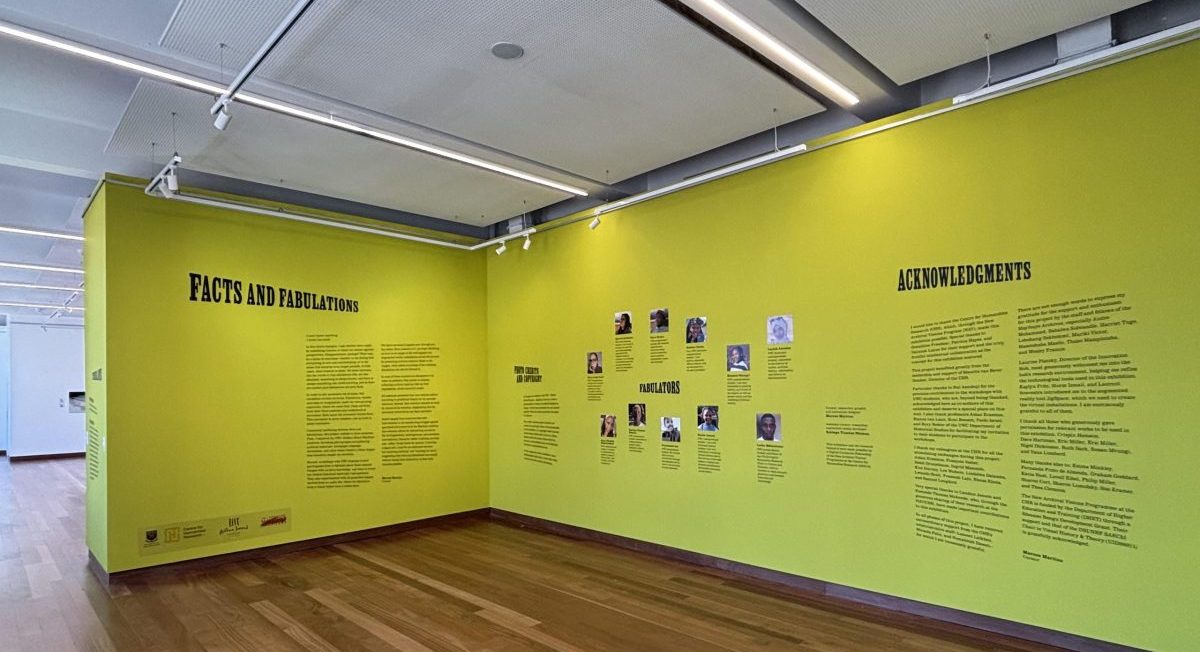
Facts and Fabulations
The exhibition Facts and Fabulations is the outcome of a Digital Curatorial Fellowship from the New Archival Visions Programme at the UWC Centre for Humanities Research. The project demonstrates how academic research can become a public, accessible, and participatory cultural experience.
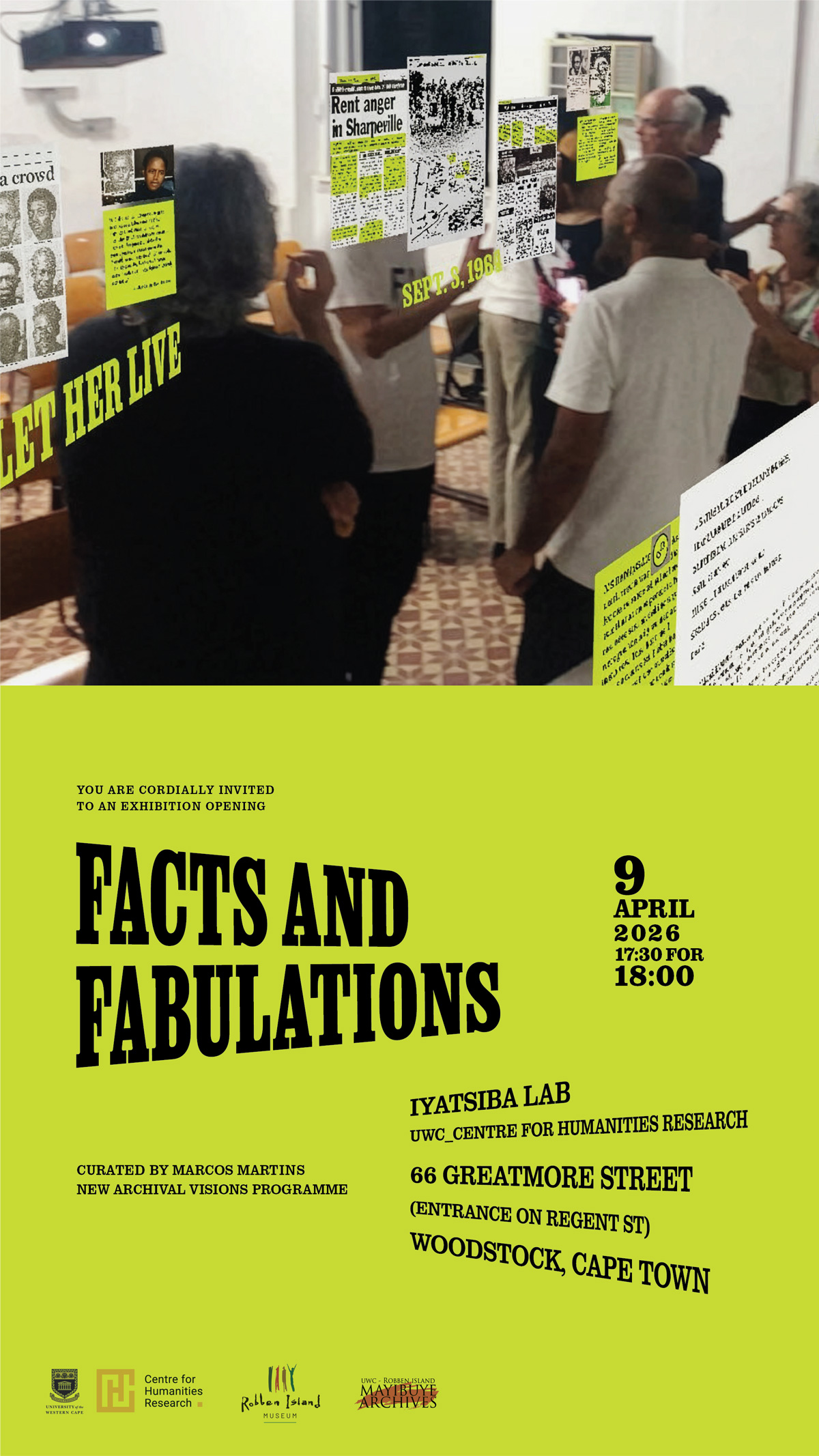
Exhibition opening: Facts and Fabulations
Facts and Fabulations, an exhibition of the New Archival Visions Programme at the CHR’s Iyatsiba Lab will open on 9 April, 2026. The opening will be preceded by a short talk by the curator Marcos Martins and the assistant curator Katlego Tiisetso Nkoana.
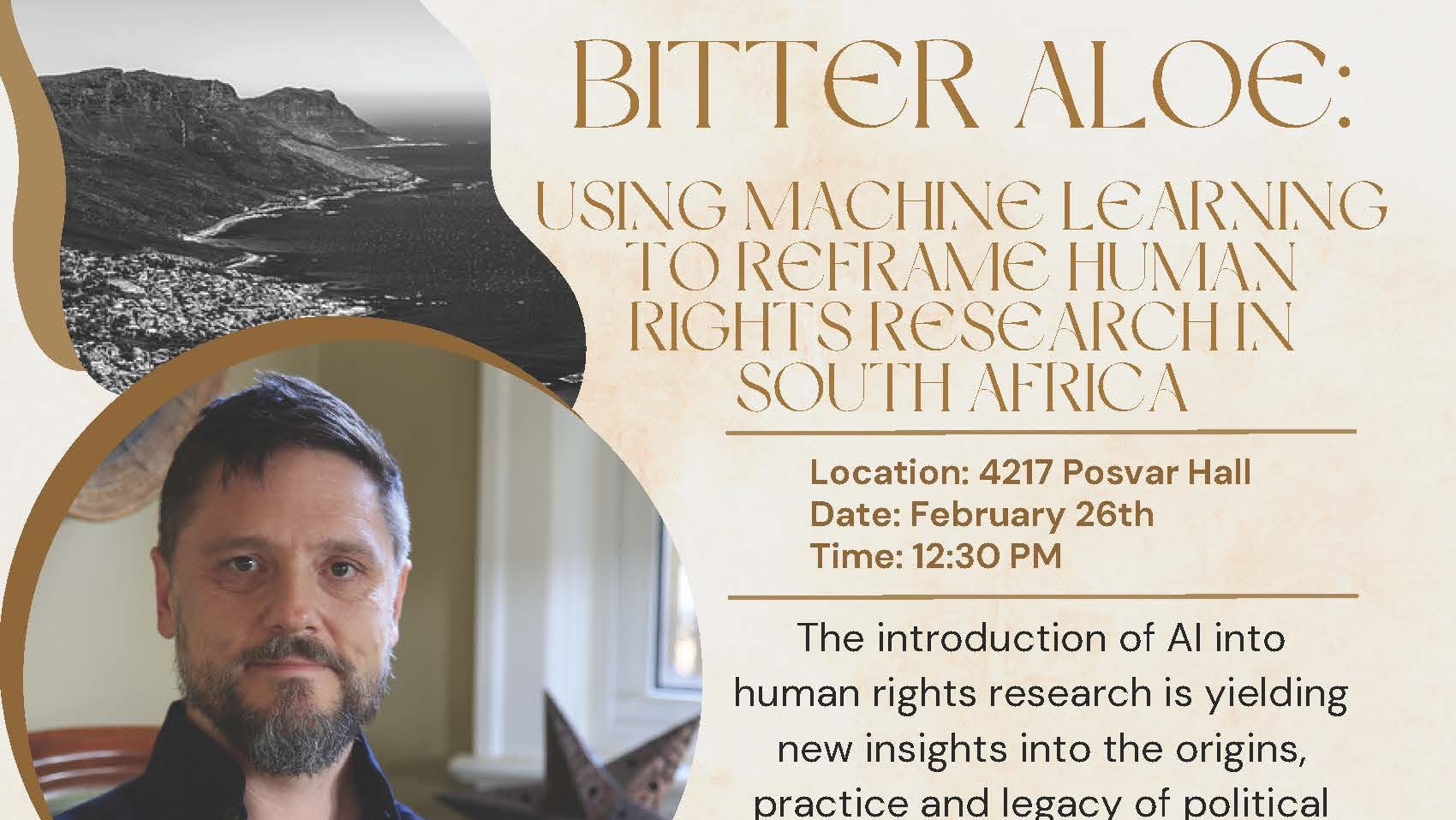
Bitter Aloe: Using Machine Learning to reframe Human Rights research in South Africa.
Prof. Stephen Davis will be giving a public lecture on Thursday, February 26th on his ongoing Bitter Aloe project.
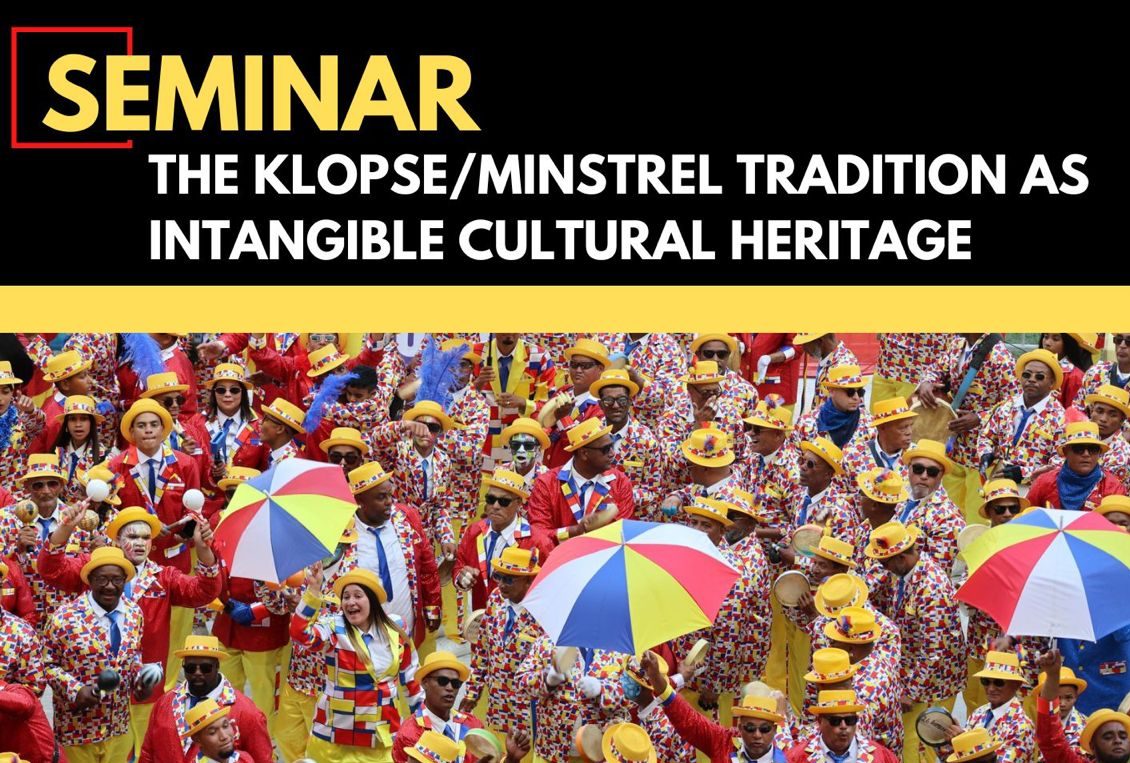
Seminar: The Klopse/Minstrel tradition as intangible heritage
The CHR’s Valmont Layne will be giving a keynote at ‘The Klopse/Minstrel tradition as intangible heritage’, a seminar organised by the Salt River Heritage Society.

New Archival Visions at UWC Research Grants and Fellowships (2025/6): Deadline 26 September 2025
The New Archival Visions (NAV) programme at the Centre for Humanities Research (CHR), University of the Western Cape (UWC), is offering fellowships for the remainder of 2025. Funding support comes from the Department of Higher Education and Training (DHET).

Social Sciences Research Council Award Announcement: Ingrid Masondo and Tammy-Lee Lakay
We are delighted to announce that New Archival Visions Fellows, Ingrid Masondo and Tammy-Lee Lakay, have been awarded Next Generation Social Sciences in Africa Proposal Fellowships with the Social Sciences Research Council (SSRC).
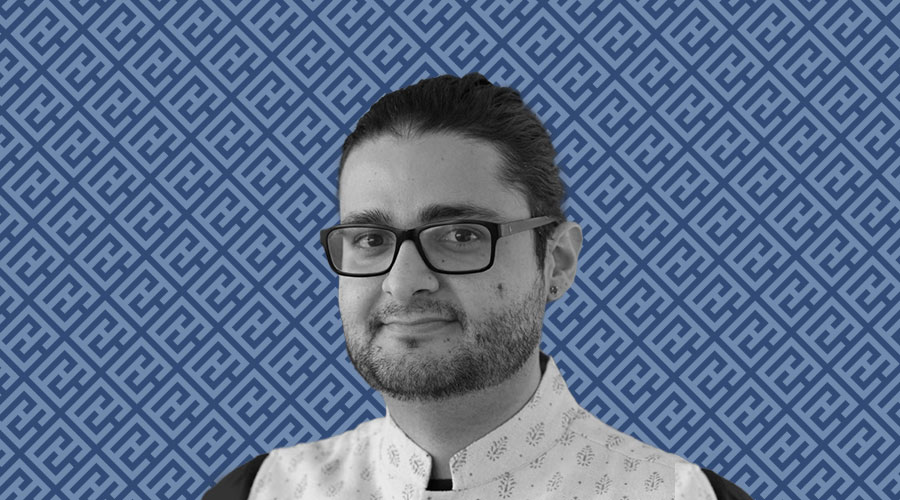
Scattering Histories: Queerness, Migrancy, and the Question of the Archive
The Allen Isaacman Collection Annual African History Lecture
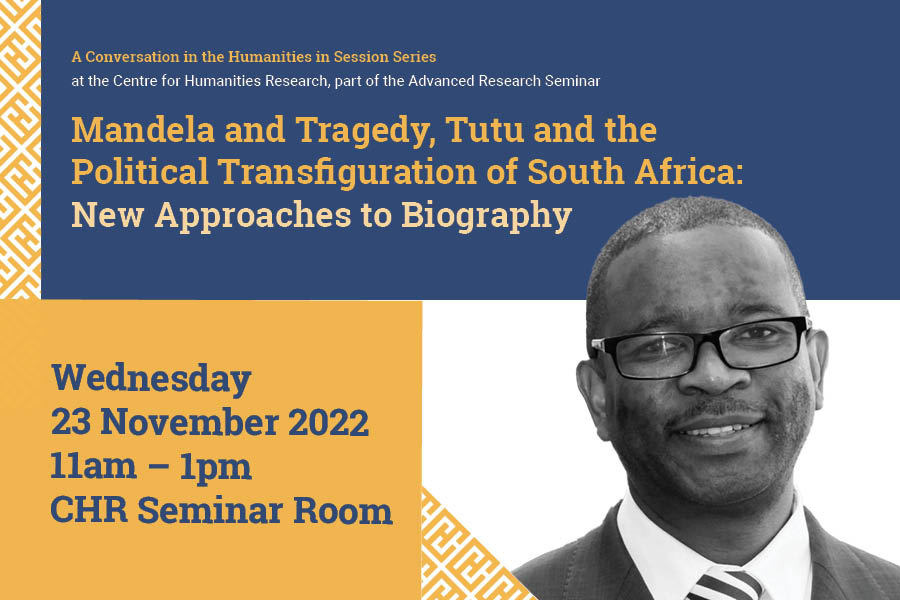
Mandela and Tragedy, Tutu and the Political Transfiguration of South Africa: New Approaches to Biography
A Lecture in the Humanities in Session Series at the Centre for Humanities Research
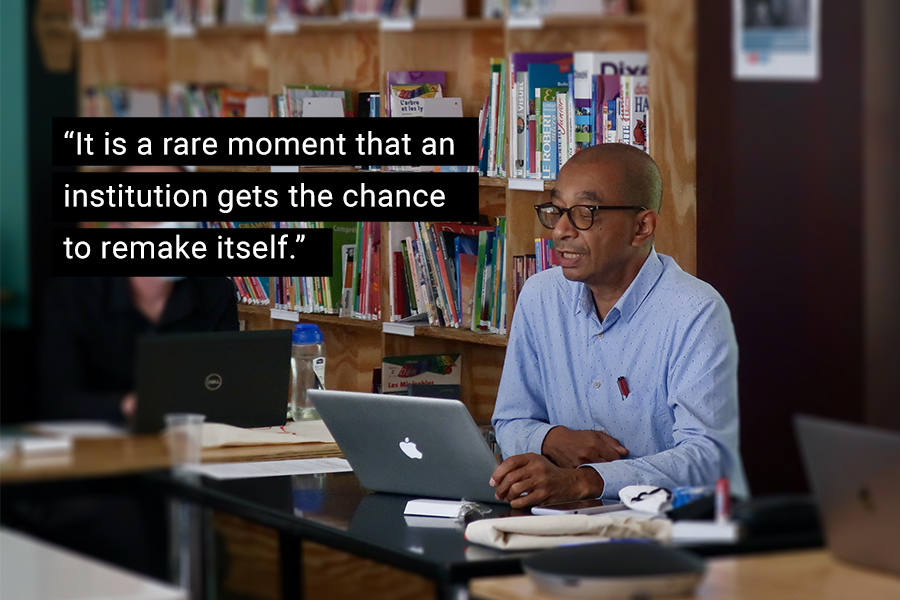
Restitution, Technics and Disciplinary Objects in the Preservation of African Music Institution Making
Next Generation Scholar Valmont Layne examines the challenges and possibilities of music archives in Southern Africa.
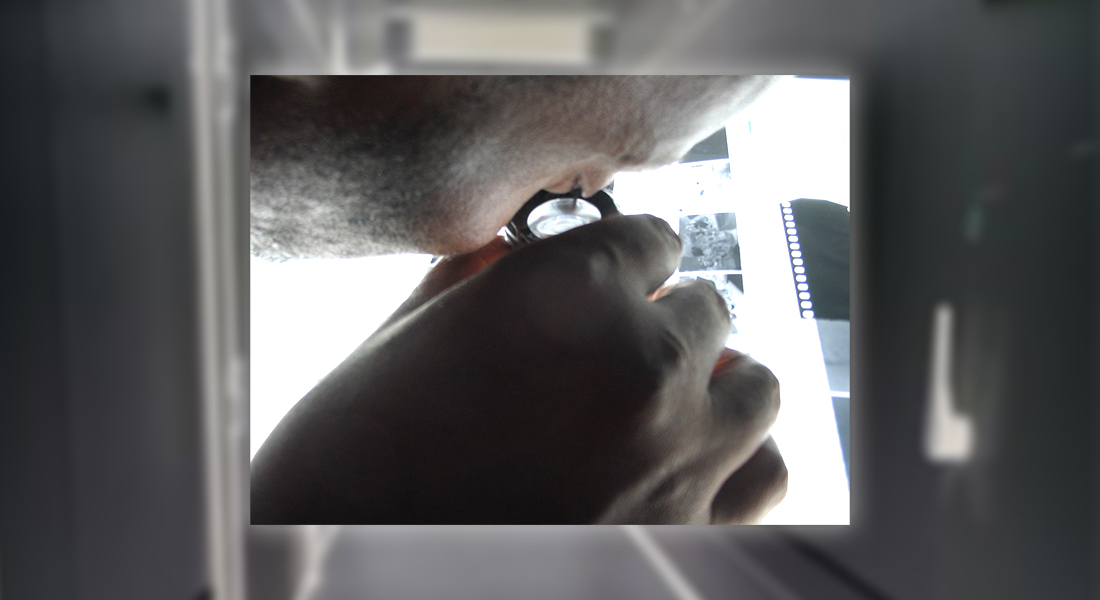
Archival Futures and Research: Preservation, Access and UWC’s Digital Infrastructure
Prof. Patricia Hayes and Dr Valmont Layne investigate how UWC can revitalise its archival holdings for preservation, teaching, research access, and public programmes.