
READ MOREHumanities in Session, Archive Lab: Immersive Technologies and the Archive
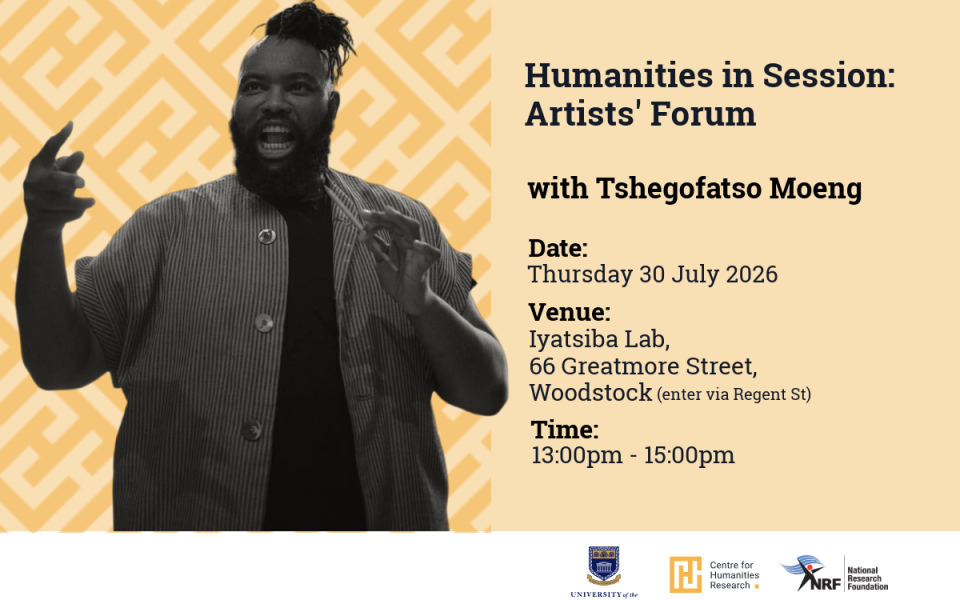
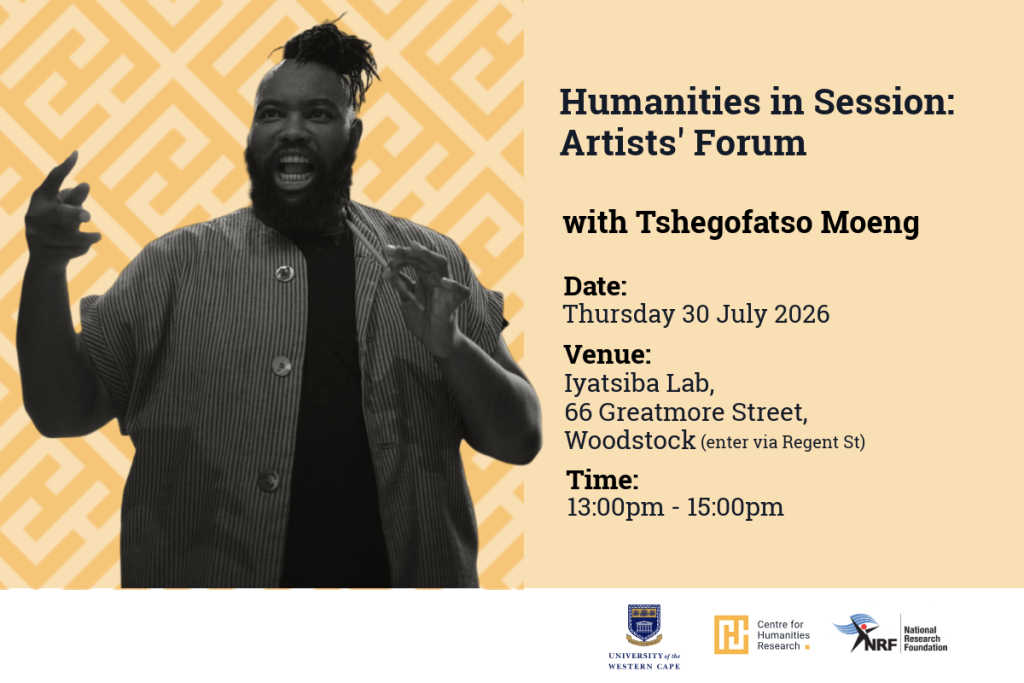
The advancement of immersive technologies is fast shaping archival practice. What does this new yet old complexity of design, history, technology and mixed realities mean for the future of storytelling, research and education?READ MOREHumanities in Sesssion, Artists' Forum with Tshegofatso Moeng
This session will be led by Tshegofatso Moeng who is a versatile South African singer, arranger, composer, and music director.READ MOREHumanities in Sesssion: ‘Returning Transitions: Memories of Persistent Crises in South African and Russian Writing’, with Ksenia Robbe
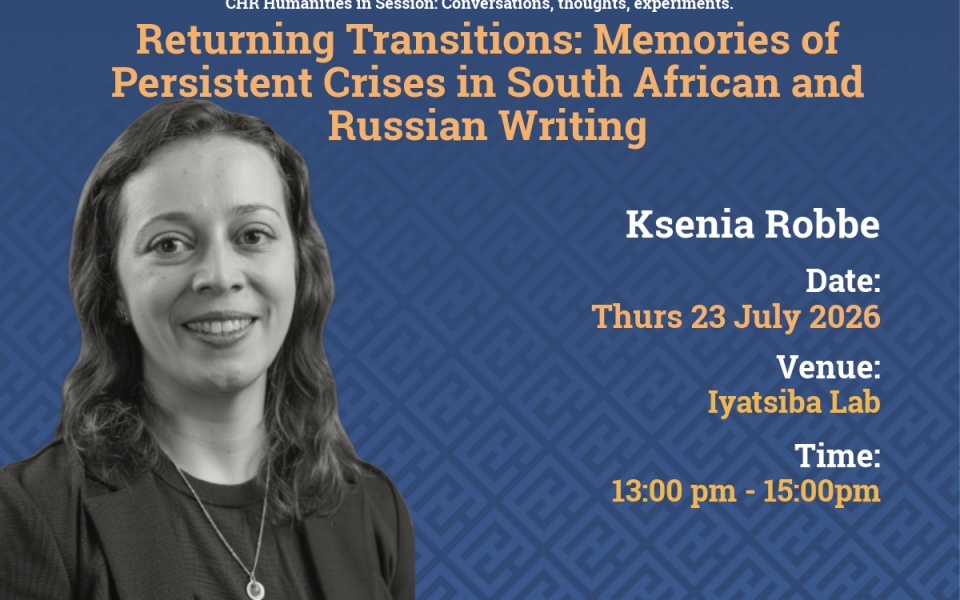
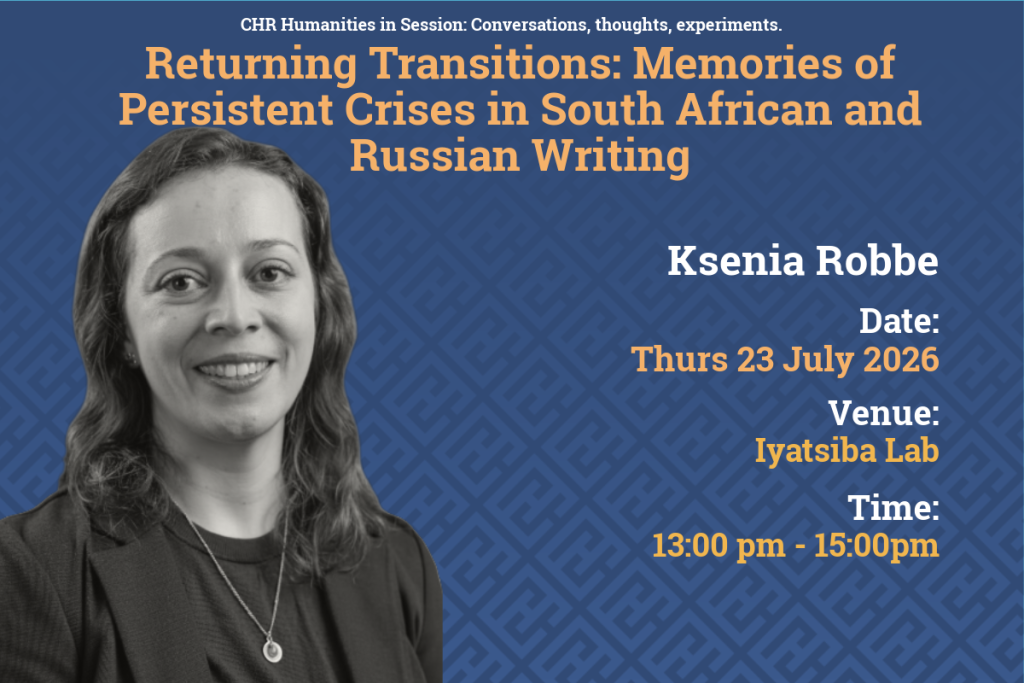
In this seminar, Ksenia Robbe present the key questions and theoretical propositions concerning the possibility of reading comparatively and connectively memories of the post-apartheid and post-Soviet ‘transitions’ in contemporary South African and Russian writing.
The advancement of immersive technologies is fast shaping archival practice. What does this new yet old complexity of design, history, technology and mixed realities mean for the future of storytelling, research and education?
In this seminar, Ksenia Robbe present the key questions and theoretical propositions concerning the possibility of reading comparatively and connectively memories of the post-apartheid and post-Soviet ‘transitions’ in contemporary South African and Russian writing.
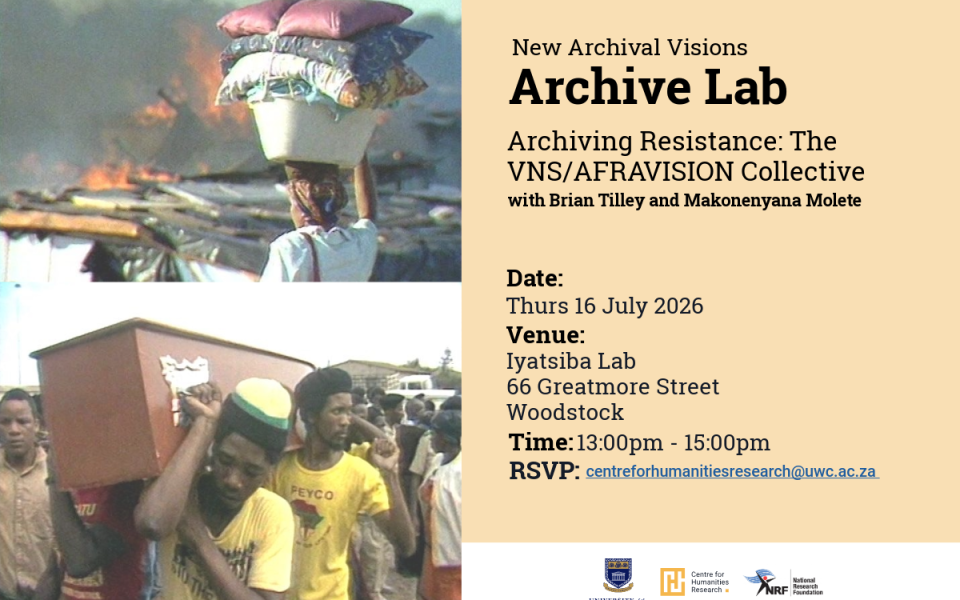
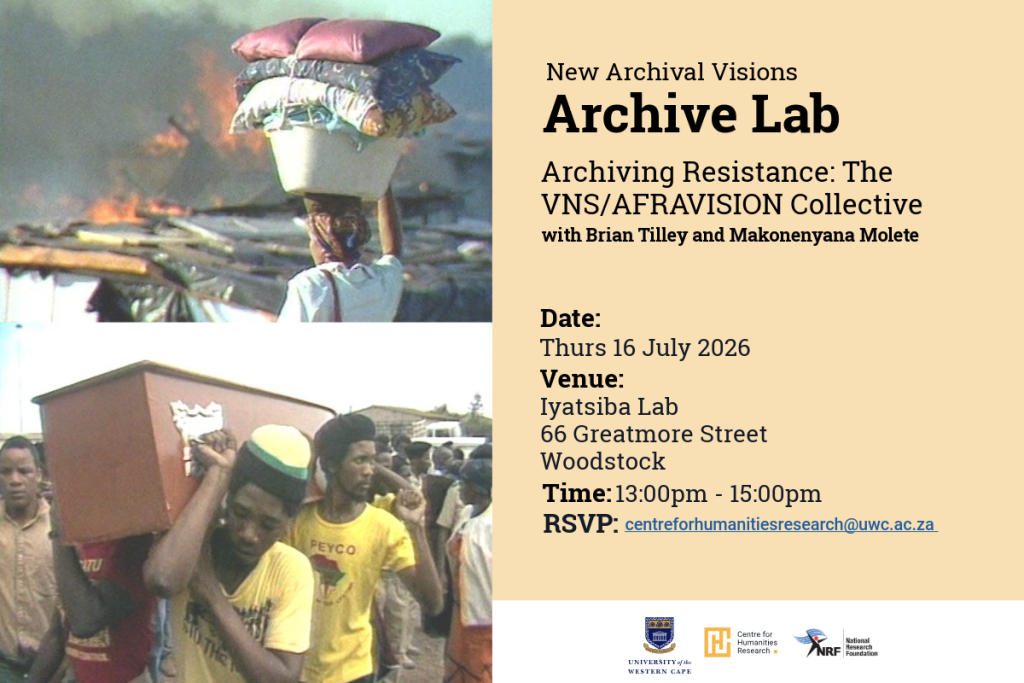
The New Archival Visions (NAV) Programme will host Brian Tilley and Makonenyana Molete, founder members of the VNS/Afravision video collective to share how they set up VNS/Afravision in the 1980s to document the struggles sweeping across South Africa.
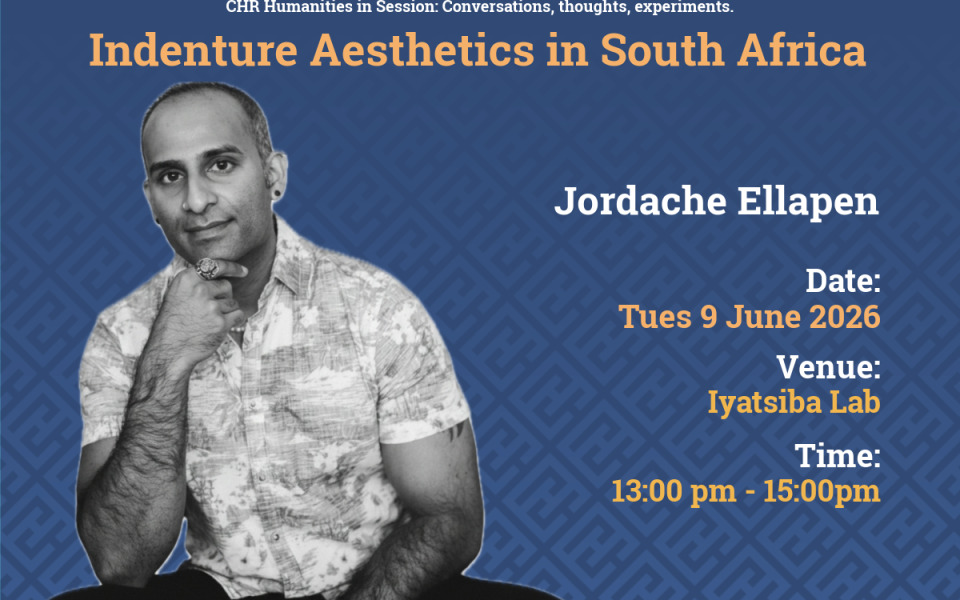
In this public conversation, Jordache Ellapen engages his newly published book, Indenture Aesthetics: Afro-Indian Femininities and the Queer Limits of South African Blackness.
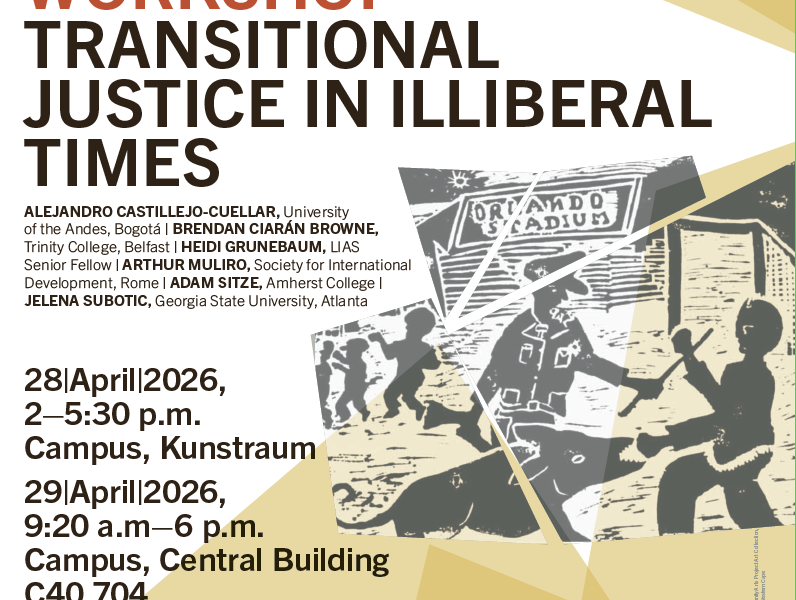
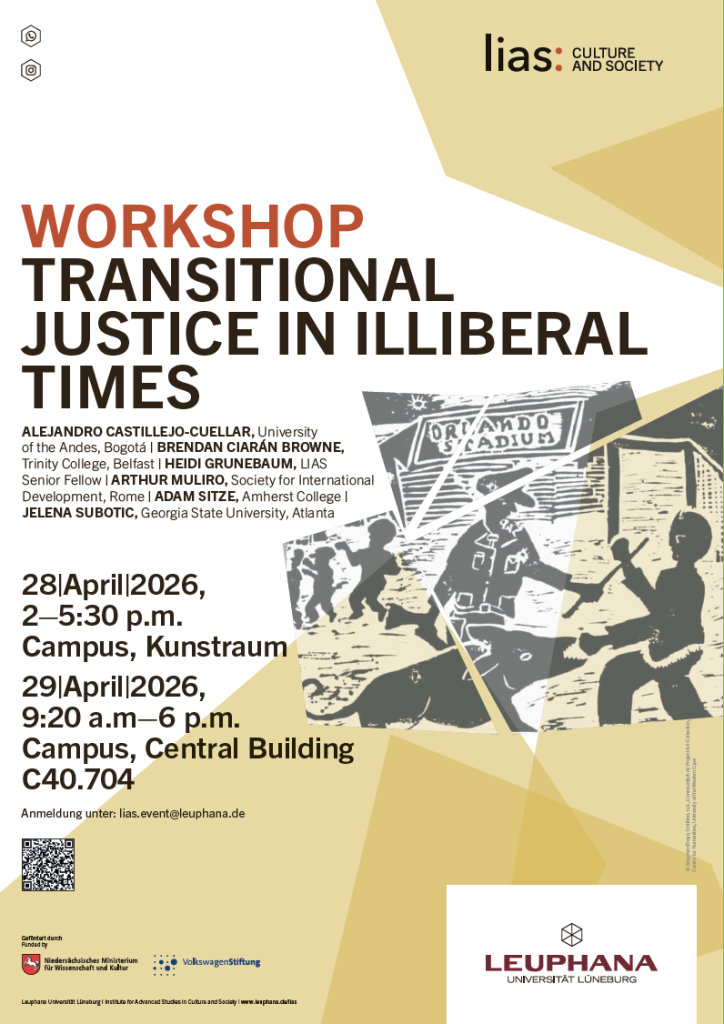
The term “transitional justice” rose to prominence after 1995, when the United States Institute of Peace (USIP) published its three-volume series Transitional Justice (Kritz, ed). In the decades since, and corresponding to the end of the Cold War and defeat of the Soviet Union, the field appeared to flourish.