READ MOREInternational Workshop in Visual History and Theory, 2026 Book and Exhibition Launch: Makuapis
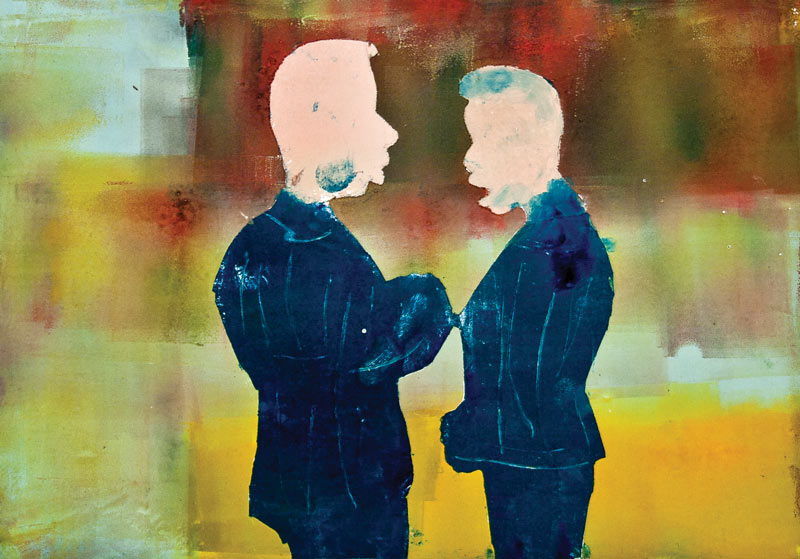
The CHR will be hosting its annual International Workshop in Visual History & Theory at Iyatsiba Lab on 16-17 October 2026, in partnership with Université-Paris-8, on the theme of 'Looking Together.' Migration, solidarity and mobility across time and space are key themes. This workshop includes a series of panels and lectures, and coincides with the launch of an exhibition, Makuapis, on Thursday 15 October at...READ MOREInternational Workshop in Visual History and Theory, 2026, Keynote lecture by Zeynep Devrim Gürsel
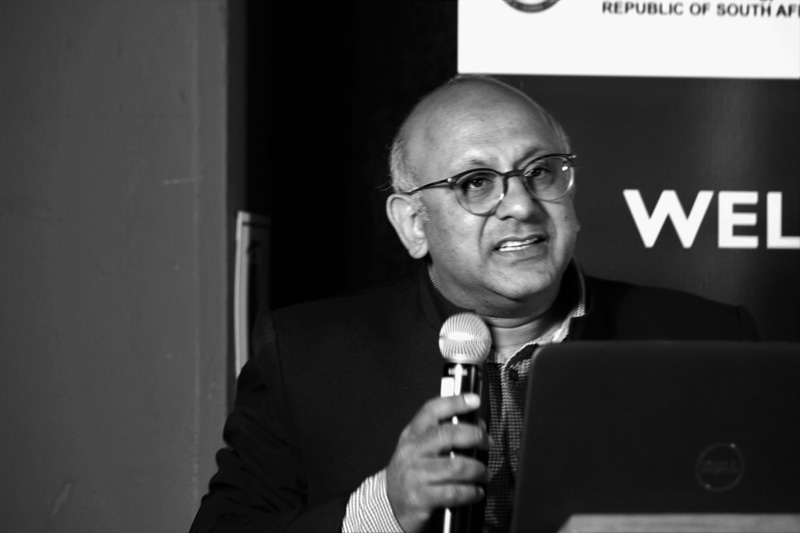
The CHR will be hosting its annual International Workshop in Visual History & Theory at Iyatsiba Lab on 16-17 October 2026, in partnership with Université-Paris-8, on the theme of 'Looking Together.' Migration, solidarity and mobility across time and space are key themes. The workshop includes a public keynote lecture by Zeynep Gürsel which will address border surveillance photography.READ MOREInternational Workshop in Visual History & Theory 2026: Raphael Grisey, Introducing the Bouba Touré Archive
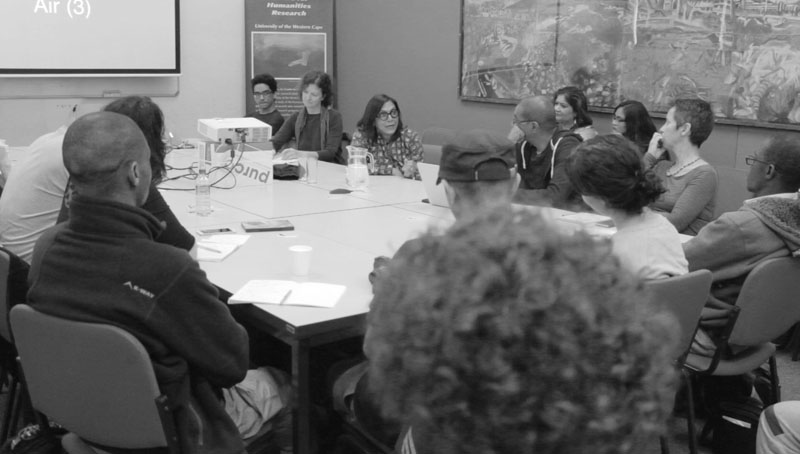
The CHR will be hosting its annual International Workshop in Visual History & Theory at Iyatsiba Lab on 16-17 October 2026, in partnership with Université-Paris-8, on the theme of 'Looking Together.' Migration, solidarity and mobility across time and space are key themes.
The CHR is supported by generous grants from the National Institute for the Humanities and Social Sciences (NIHSS), the National Research Foundation of South Africa (NRF), and the Makwande Empowerment Trust.
The humanities, as a discourse that places the university in direct relation to society, assumes a transnational orientation, not least because of the ways in which its emergence brushes up against concerns of nationalism, troubling the securities of what we assume to be common sense about the human condition.
The Flagship on Critical Thought in African Humanities of the Centre for Humanities Research (CHR) at the University of the Western Cape (UWC) constitutes an arena for scholarly exchange, artistic creation, and public inquiry into African political subjectivity, art and society, and technology and the human.